
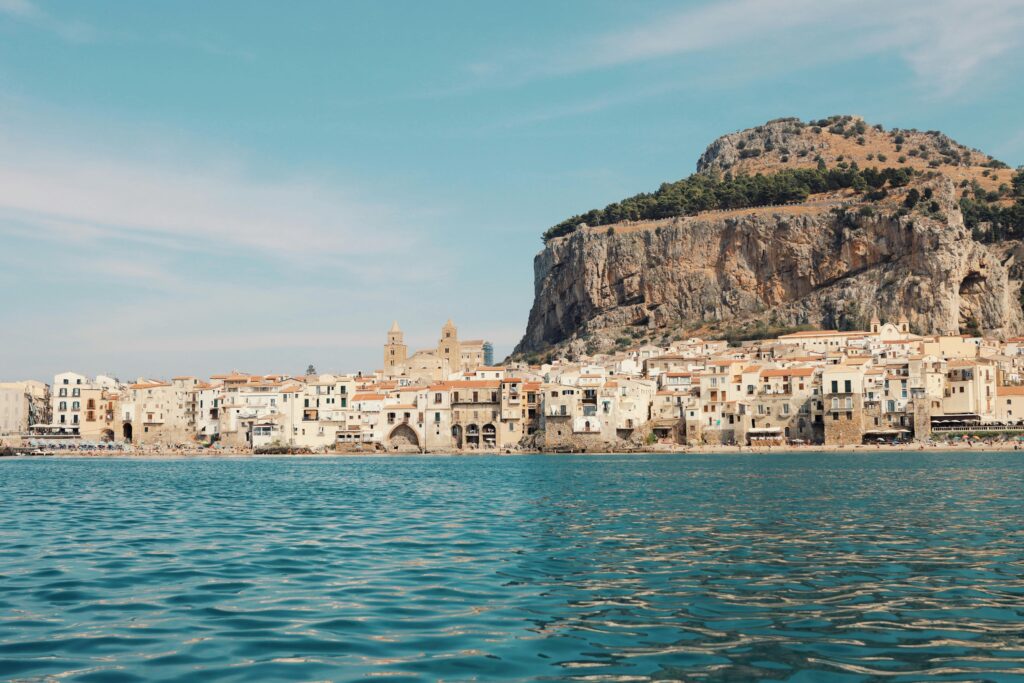
Nestled between the deep blue of the Tyrrhenian Sea and the imposing rocky mass of the Rocca, Cefalù is a place where time seems suspended, a village that enchants with its harmony of ancient history, art, and nature. Strolling through its narrow, winding cobblestone streets, you can breathe in the authentic soul of Sicily: the scents of the sea, the voices of fishermen, the warmth of the honey-colored houses reflected in the sunset.
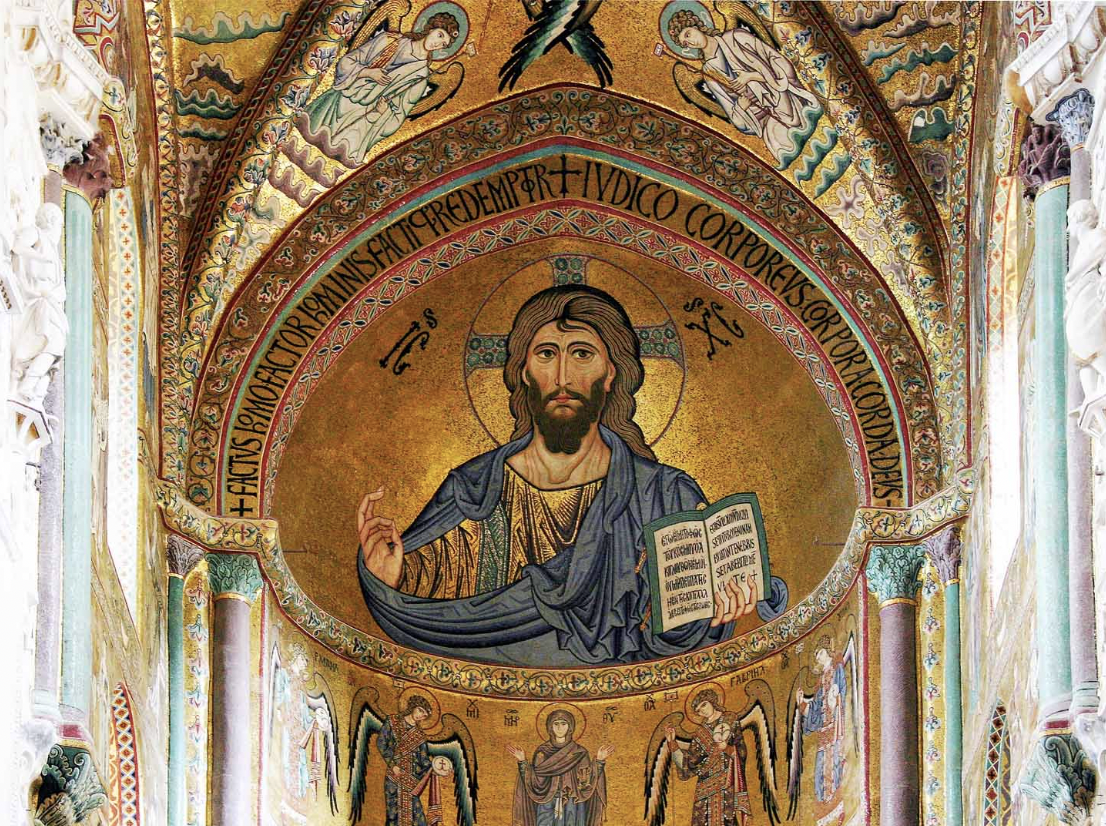
Cefalù’s history is rooted in antiquity: the Greeks called it Kephaloidion, from the Greek “kephalé,” meaning “head,” due to its location at the foot of the great rock that dominates the landscape. The Romans developed it as an important coastal center, but it was under the Normans that it reached its greatest glory. In 1131, Roger II founded the magnificent Cathedral of Cefalù, a masterpiece of Arab-Norman Romanesque architecture that still houses one of the most captivating mosaics in the Mediterranean: Christ Pantocrator, an icon of spirituality and timeless beauty.
Imagine a towering promontory, the Rocca, dominating everything like a sleeping giant. At its feet, a sea as gentle as it is impetuous. Here, over two thousand years ago, the Phoenicians and Greeks landed, drawn by this perfect bay, building the first settlements and giving the city the name “Kephalḗ,” meaning “head,” due to the shape of the Rocca.
The narrow streets we marvel at today were once the paths of traders, fishermen, and pilgrims. And the natural harbor, still visible in all its beauty, is the same one where amphorae, fishing nets… and dreams were loaded onto ships.
If there’s one heart that beats faster than others, it’s the Cathedral.
It was the year 1131 when Roger II, the great Norman king, vowed to build a majestic cathedral in Cefalù after surviving a storm at sea. And here it is, dominating the town like a promise kept.
Entering the Duomo means being enveloped in an ancient silence. Then your eyes lift, and above him stands Christ Pantocrator, a Byzantine mosaic so perfect it seems alive. The golden tiles capture the light and transform it into prayer. Anyone who gazes upon him, even for just an instant, feels a shadow of eternity.
Cefalù is a city best experienced step by step:
the medieval houses with loggias overlooking the water, the scent of almonds and grilled fish mingling with the salty air, the artisan workshops that still speak of a time when everything was made by hand and with patience.
Walking, almost without realizing it, you’ll reach the Medieval Washhouse, carved into the rock and fed by waters said to have been cursed by a betrayed goddess. Is this true? Who knows. But here, between the vaulted ceilings and the sound of the water, the past truly seems to breathe again.
Those who climb to the Rocca see what kings, warriors, pirates, and monks once saw:
an endless expanse of sea and hills, a panorama worth every step of the climb. Up there, you’ll find the ruins of the Temple of Diana, a sacred site much older than the Cathedral, where pagan worship intertwined with the cycle of the seasons and the stories of mankind.
Today, Cefalù is one of Sicily’s pearls, a town with an elegant, Mediterranean character. Here, days pass brightly, amid golden beaches, Norman art, lavishly laid tables, and sunsets that seem painted by a lovelorn artist.
Those who arrive in Cefalù bring with them curiosity.
Those who leave take away a memory unlike any other.
And this, perhaps, is Cefalù’s secret:
a small town, yes… but with a soul so big that it stays with you long after your journey.
The Cathedral of Cefalù
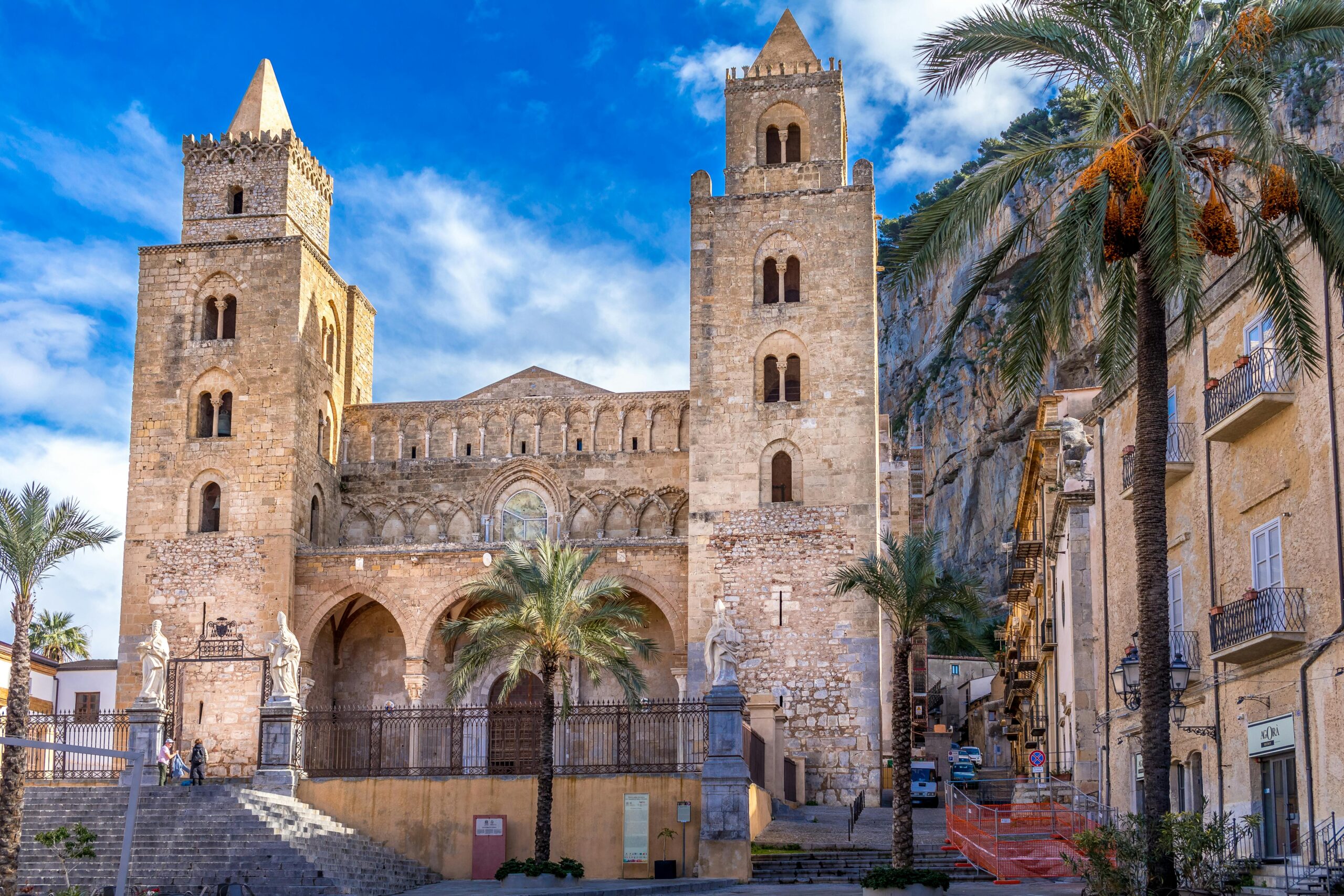
Cefalù Cathedral is the symbol of the city, a majestic Norman cathedral overlooking the sea, built in 1131 by Roger II of Altavilla as a vow to the Holy Savior after a shipwreck. A UNESCO World Heritage Site, it blends Byzantine, Arab, and Norman elements in unique harmony. Inside, the famous golden mosaics and the magnificent Christ Pantocrator, considered one of the most beautiful in the Mediterranean, stand out.
⏰Opening hours: daily 8:30 am–1:00 pm and 3:30 pm–6:30/7:00 pm. Free admission to the basilica; additional tours (towers and cloister) require a fee.
📍Tip: Visit early in the morning to avoid crowds and enjoy the best light on the mosaics.
The Medieval Wash-House
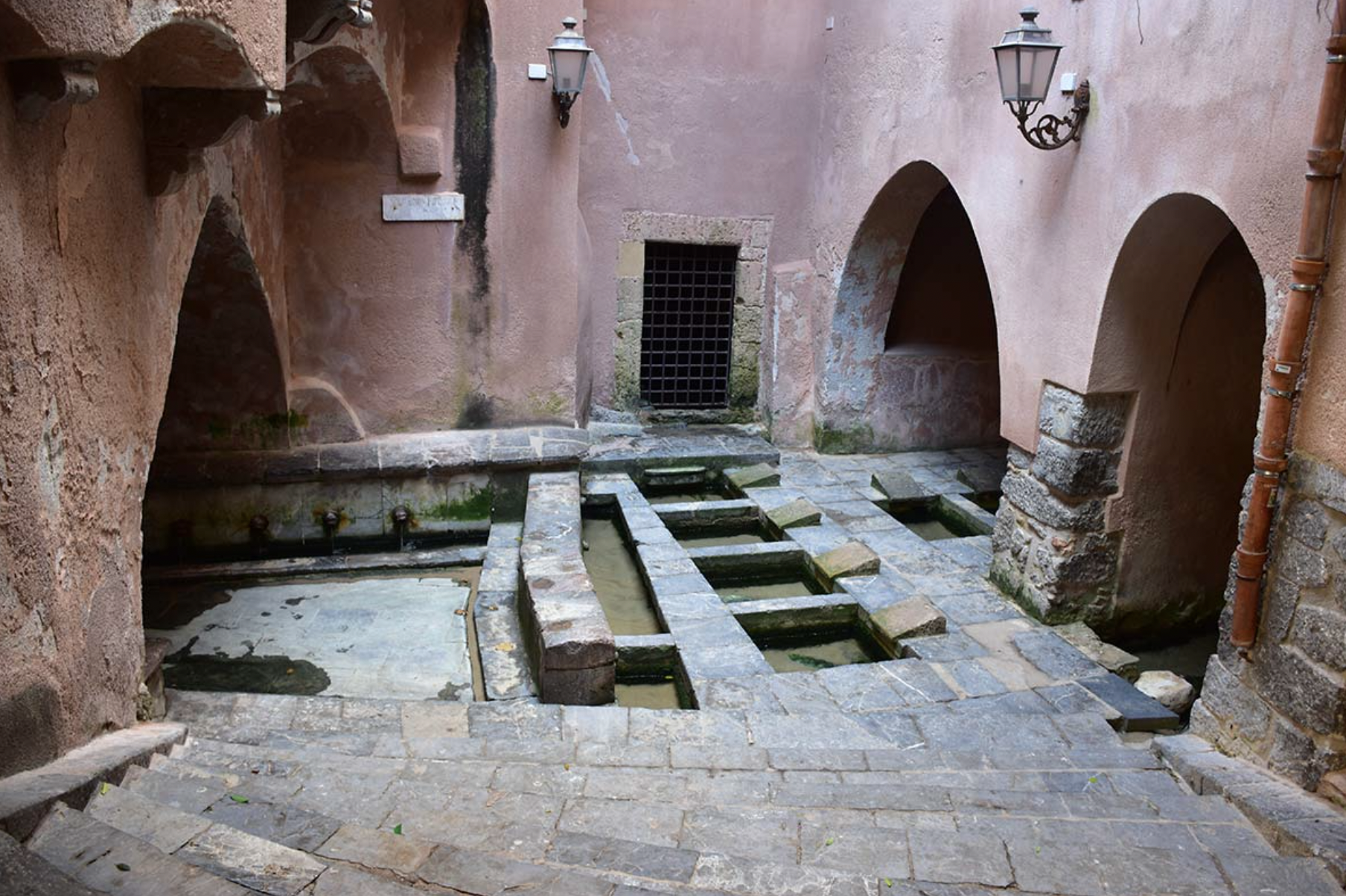
The Medieval Washhouse of Cefalù, located on Via Vittorio Emanuele, is one of the most evocative spots in the historic center. A lava stone staircase leads down to a series of basins carved into the rock, fed by the clear waters of the Cefalino River.
According to legend, the river was born from the tears of a nymph grieving for the death of her beloved, and an ancient inscription recalls that “here flows Cefalino, purer than silver and colder than snow.” The twenty-two cast iron spouts, some shaped like lion heads, make the place unique and fascinating.
Once a meeting place for washerwomen, today the washhouse is a living testimony to medieval daily life. Admission is free and open throughout the day.
📍Tip: Visit early in the morning to enjoy the silence, cool air, and perfect light for photos.
The Fortress of Cefalù
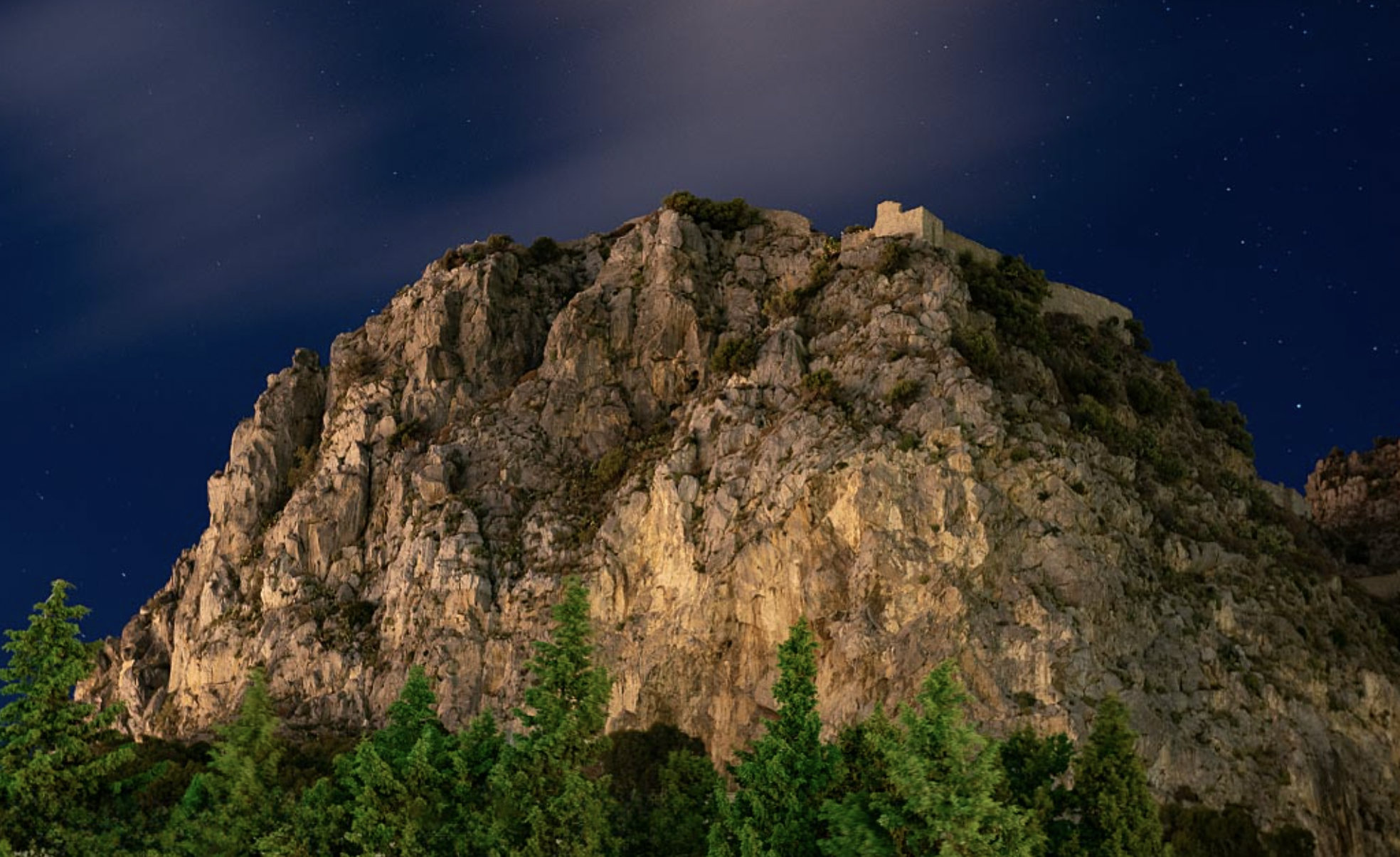
The Cefalù Fortress is the imposing 270-meter-high cliff that dominates the town and offers one of the most spectacular views in Sicily. From the summit, you can gaze out over the Tyrrhenian Sea, the Cathedral, and the streets of the historic center, in a perfect blend of nature, history, and legend.
Along the path that starts from the heart of Cefalù, you’ll encounter the remains of the Temple of Diana, an ancient pre-Greek place of worship, and the ruins of the medieval castle, evidence of its Norman past. The hike, immersed in the Mediterranean scrub, is a captivating and panoramic experience that recounts centuries of civilization.
⏰Visiting hours: April to October, 8:00 AM–8:00 PM; November to March, 9:00 AM–4:00 PM (last admission approximately one hour before closing).
🎟Ticket: approximately €5 per person, reduced for children and seniors.
📍Tip: Start early in the morning or at sunset, wear comfortable shoes, and bring water. The climb takes 30–60 minutes, but the view from the top is worth every step: a panorama that remains etched in the memory of those who visit Cefalù.
The seafront promenade of Cefalù
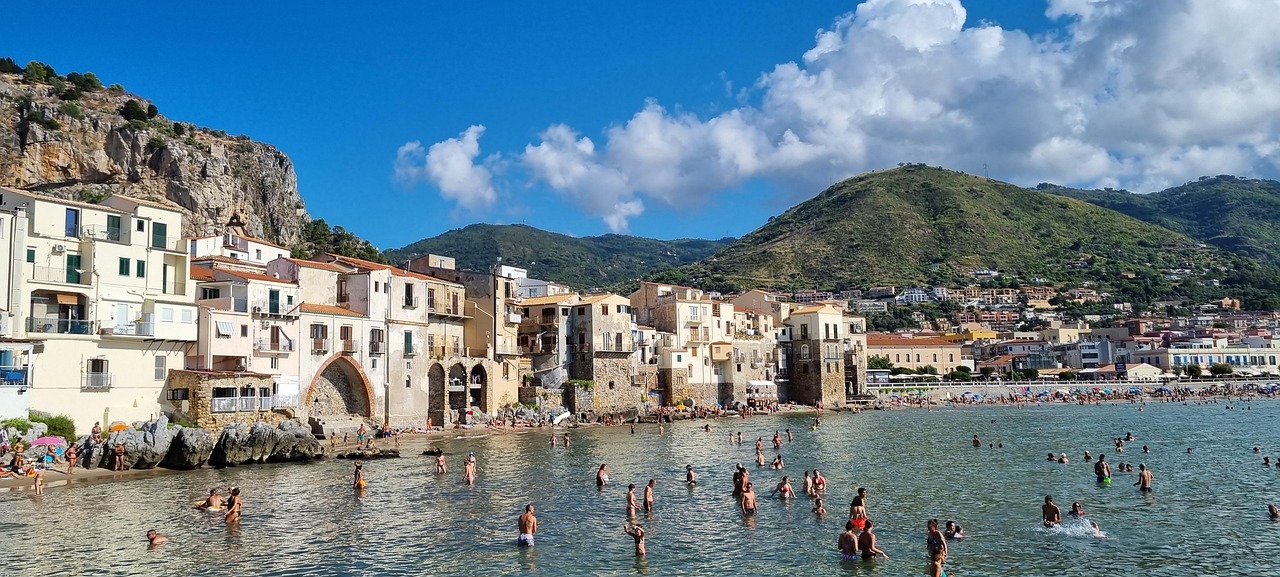
Cefalù’s Lungomare (seafront promenade) is the city’s maritime heart: a long walkway along the Tyrrhenian Sea, framed by the skyline of the Duomo and the Rocca (fortress) in the background. At sunset, when the sky turns golden, it becomes one of the most romantic spots in Sicily.
The main beach, with fine sand and crystal-clear waters, is located right in front of the historic center—ideal for families and those who want to swim with a view of the town. Just outside, the bays of Mazzaforno and Settefrati offer wilder and quieter corners, perfect for those seeking relaxation and nature.
📍Tip: Experience the seafront at sunset, with a dip, an ice cream, and a stroll—it’s the authentic and luminous essence of Cefalù.
The ancient village
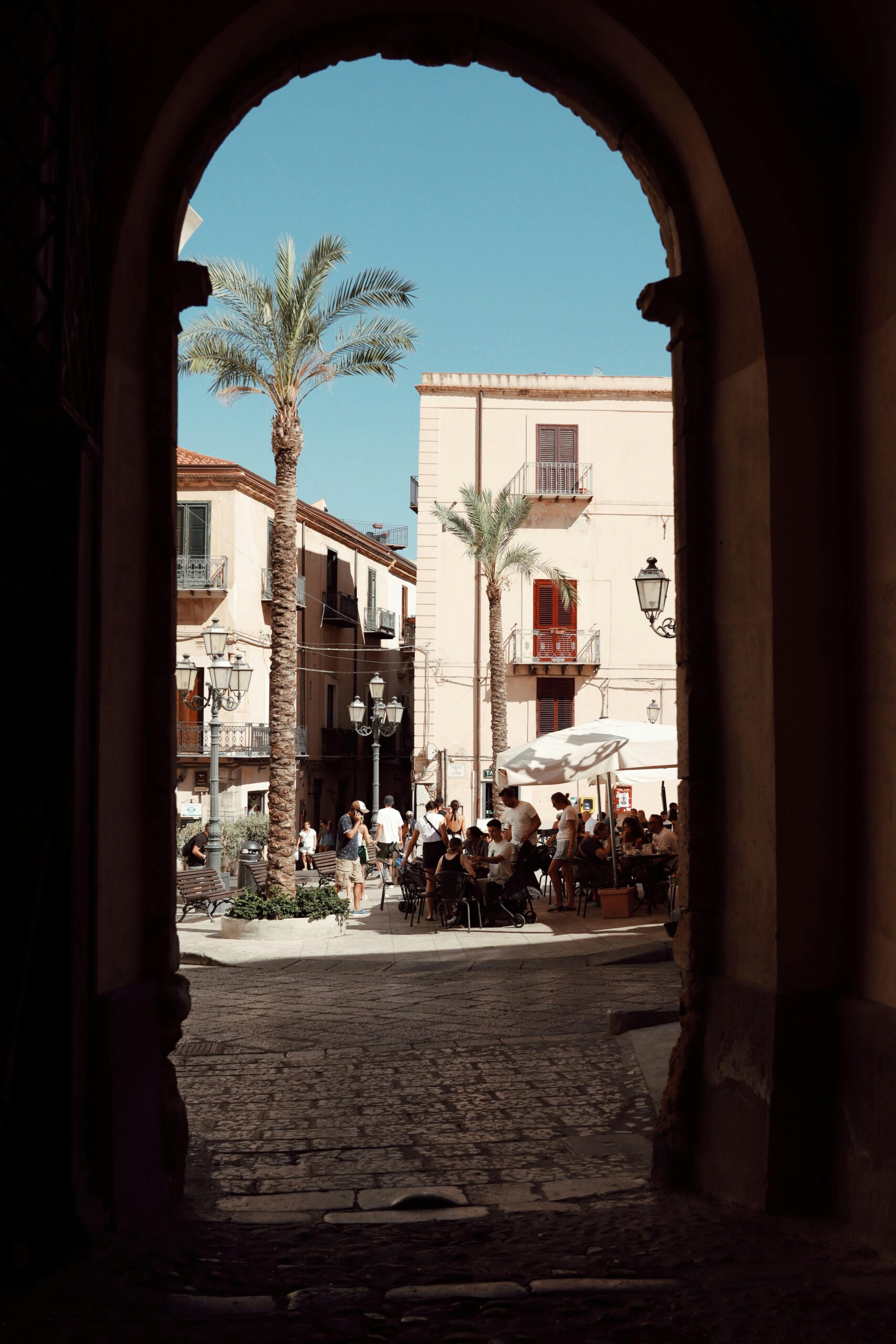
The old town of Cefalù is a maze of stone-paved alleys, flower-filled balconies, and arches overlooking the sea: a place where every step speaks of centuries of history and life. Walking along Via Vittorio Emanuele or through the alleys that climb toward the Rocca, you breathe in an authentic Sicilian atmosphere, filled with scents, voices, and golden light.
Hidden among the ancient houses are the noble palaces of families like the Maria-Alburquia, who dominated the town’s trade in the 17th century, or the Basile, poets and jurors who animated the city’s cultural life. It is said that, on summer nights, sailors’ chants and lute notes could be heard from the courtyards of the palaces, mingling with the sound of the waves.
Today, the town retains that same magic: windows lined with laundry, artisan workshops, and candlelit trattorias create an atmosphere suspended between past and present. Here you can taste typical Sicilian dishes, such as pasta with sardines, grilled swordfish, artisanal cassata, and lemon granita. To complete the experience, enjoy a glass of Etna white wine or Nero d’Avola at sunset, watching the sea turn golden.
📍Tip: Visit the village in the late afternoon, when the light reflects off the ancient walls and the aroma of cooking fills the streets. It’s then that Cefalù reveals its true essence—a small, ancient world, vibrant with history, sea, and flavors.
The Feast of the Holy Savior (2–6 August) – The Patron Saint’s Day
It is the festival par excellence, the most anticipated of the year
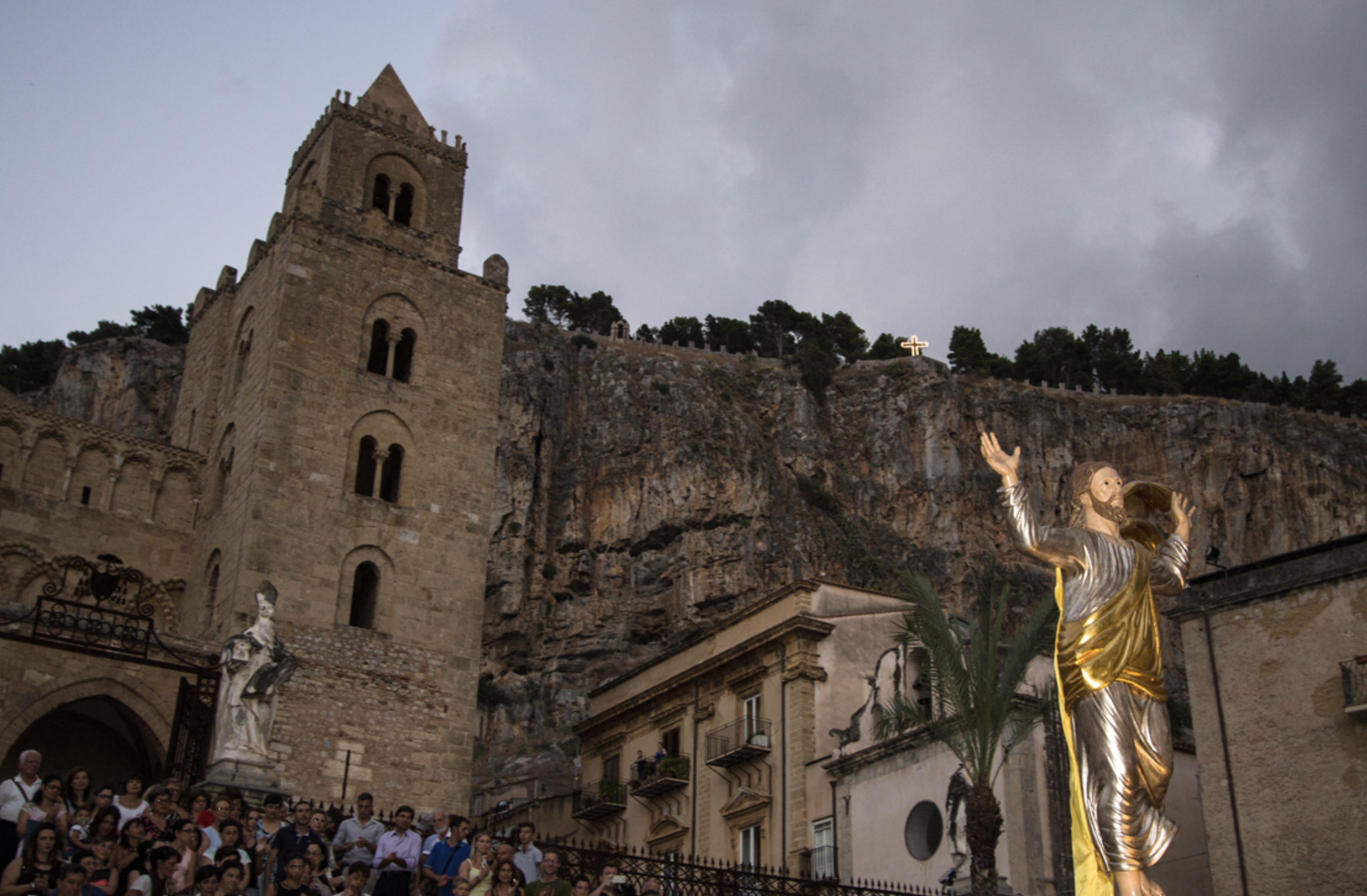
The most Holy Savior is the patron saint of Cefalù and for five days the city is adorned with lights, stalls, bands and shows.
The most evocative moment?
The procession on the sea, with the statue of the Savior passing through the streets of the center to the old port, greeted by hundreds of decorated boats and a blaze of fireworks. An ancient ritual that unites the sacred and the sea in a single embrace.
Markets, Craft Fairs, and Tastings
Markets, craft fairs, and tastings are among the most vibrant and authentic aspects of Cefalù: places where history, flavors, local creativity, and conviviality intertwine. Here’s a more detailed account of these experiences, well worth exploring if you’re visiting the city.
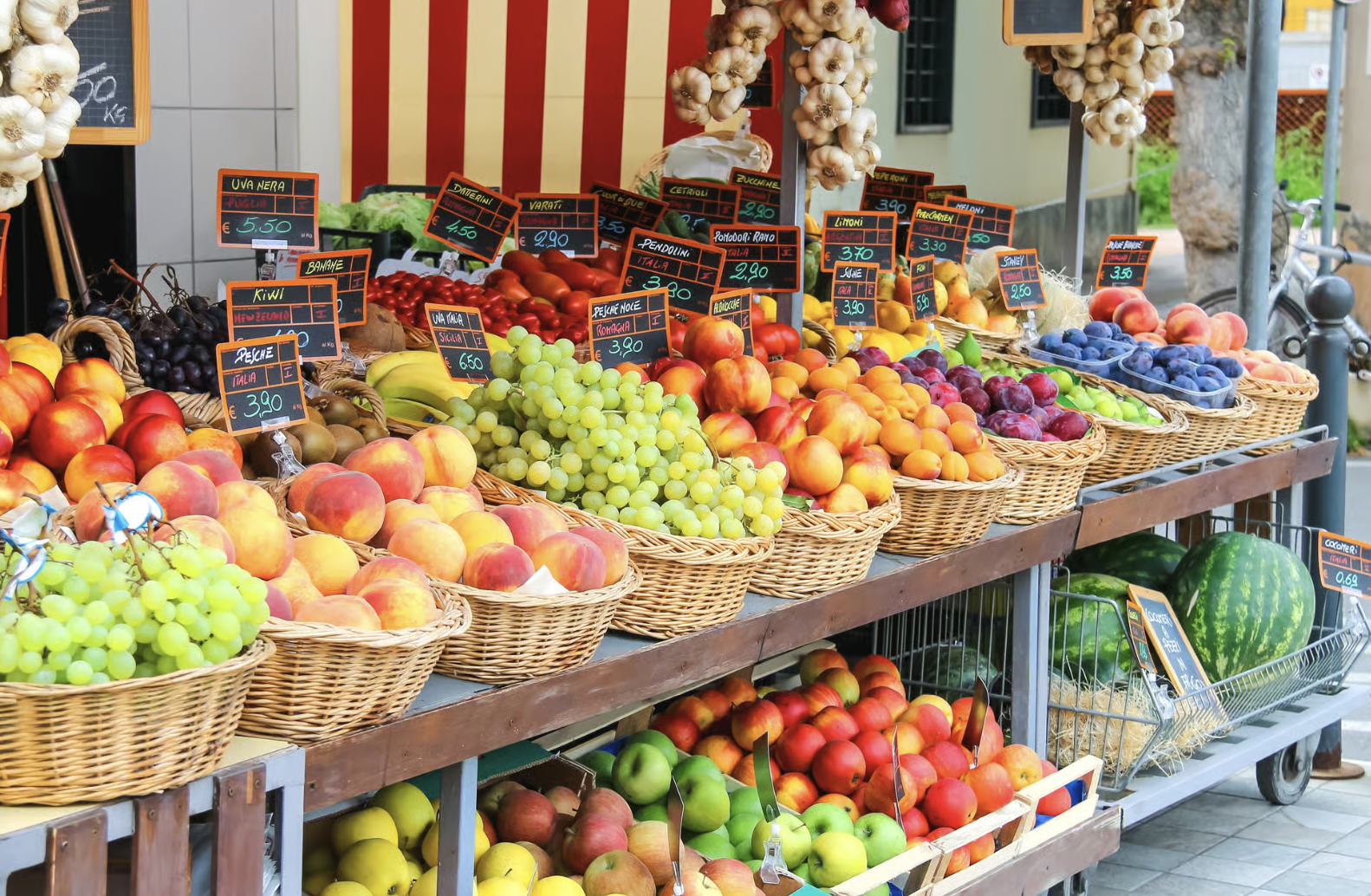
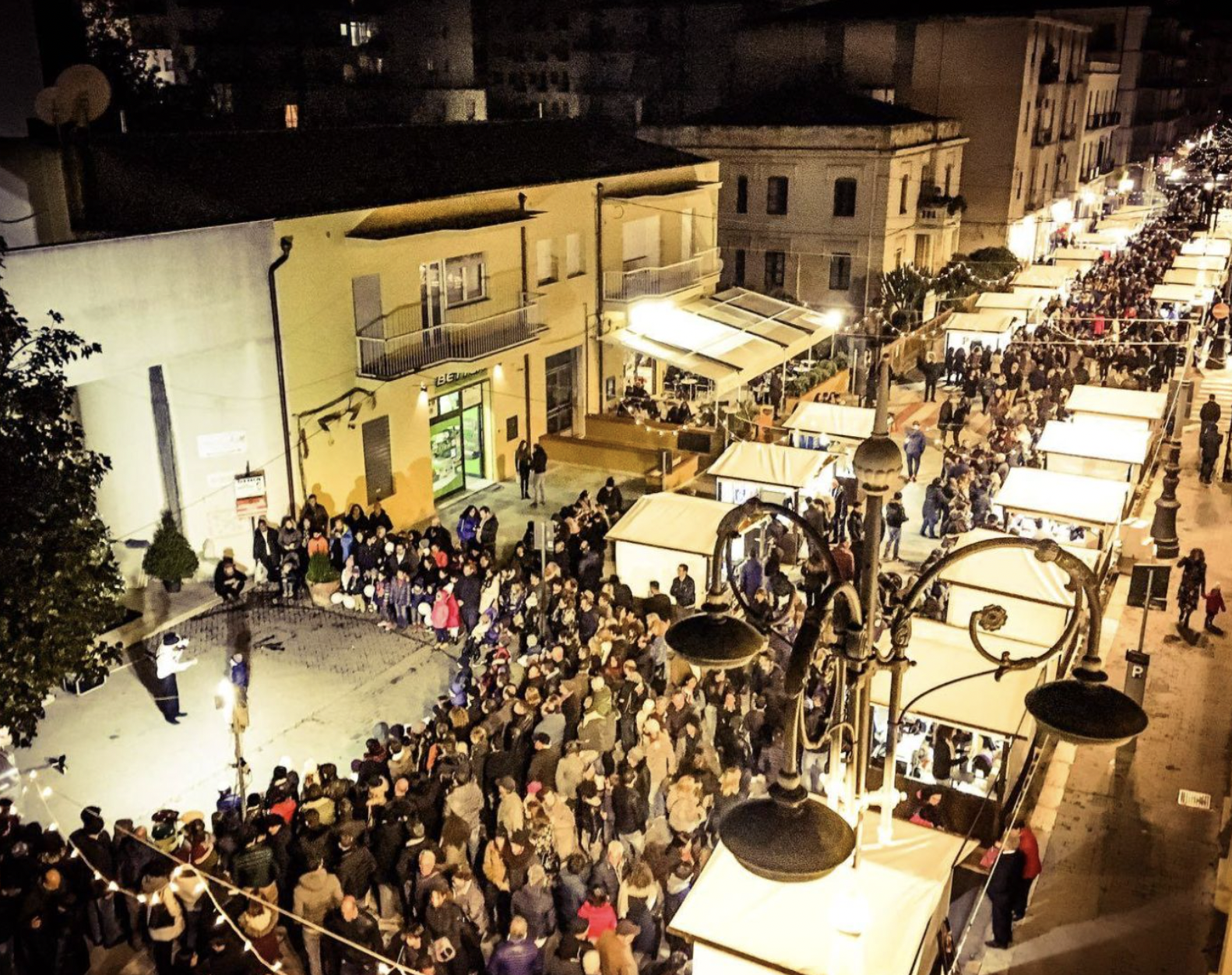
The weekly market is one of the most authentic ways to immerse yourself in everyday life: every Saturday morning, the downtown area, formerly known as “via Dietro Castello,” comes alive with vendors offering seasonal fruits and vegetables, local produce, traditional cheeses, preserves, olives, oil, spices, and other specialties from the Sicilian hinterland. In addition to food, you’ll often find stalls selling local crafts: handmade ceramics, leather goods, small souvenirs, and decorative objects—a great way to take home an authentic piece of Sicily.
For visitors, it’s a perfect opportunity to experience modern-day Sicily firsthand: the colors of the chests filled with citrus fruits and vegetables, the intense aromas of bread, cheeses, and preserves, the bustle of people, the chatter, and the cheerfulness. A sensory and social immersion.
Cefalù’s cuisine encompasses three distinct aspects: sweets, with cannoli, granitas, and baked pastries; seafood, for enjoying fresh fish; and traditional Sicilian cuisine, featuring historic dishes like caponata, pasta with sardines, and pane cunzato.
Cefalù is heavily influenced by both Palermo and Catania cuisine, so you can sample traditional dishes from both cities.
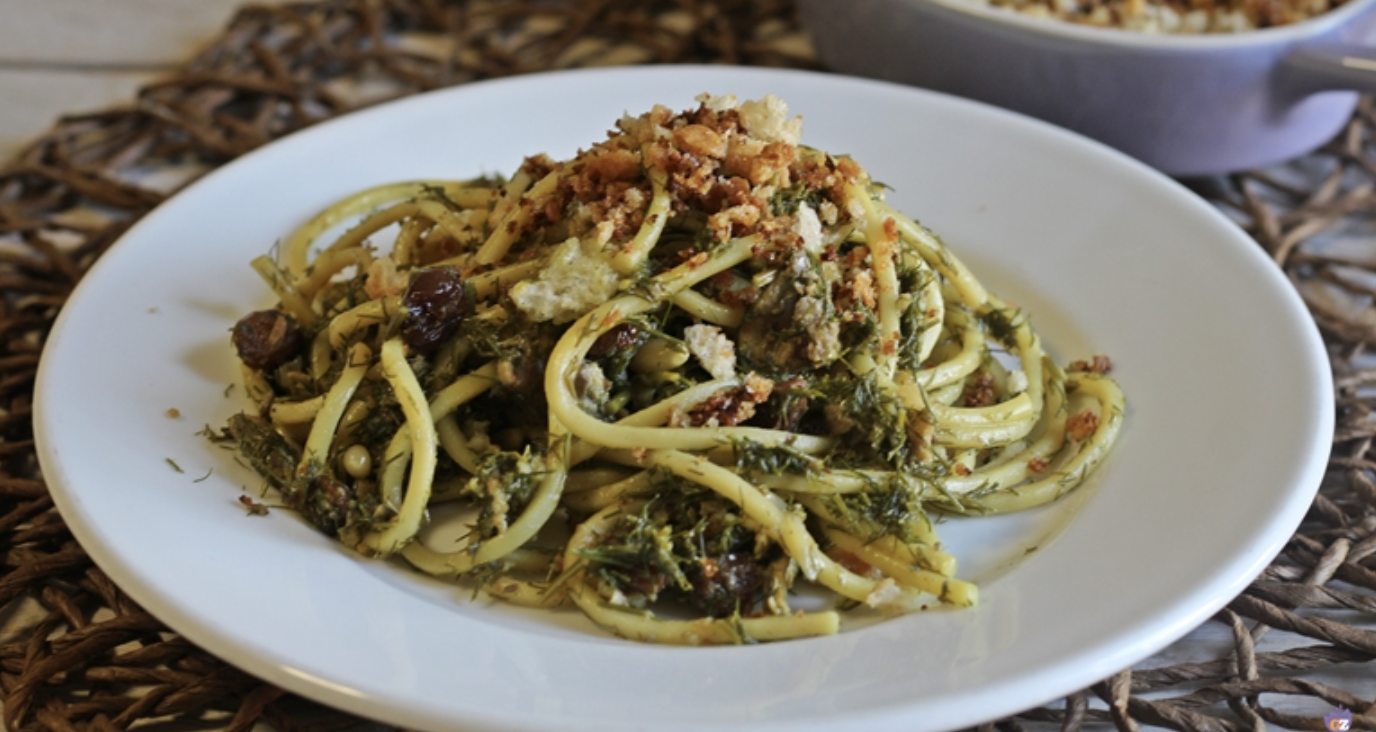
Pasta with sardines
Pasta with sardines is a Sicilian classic, also beloved in Cefalù.
With fresh sardines, wild fennel, pine nuts, raisins, and saffron.
The “a mare” version omits the sardines, but retains the aromas of the sea and local herbs.
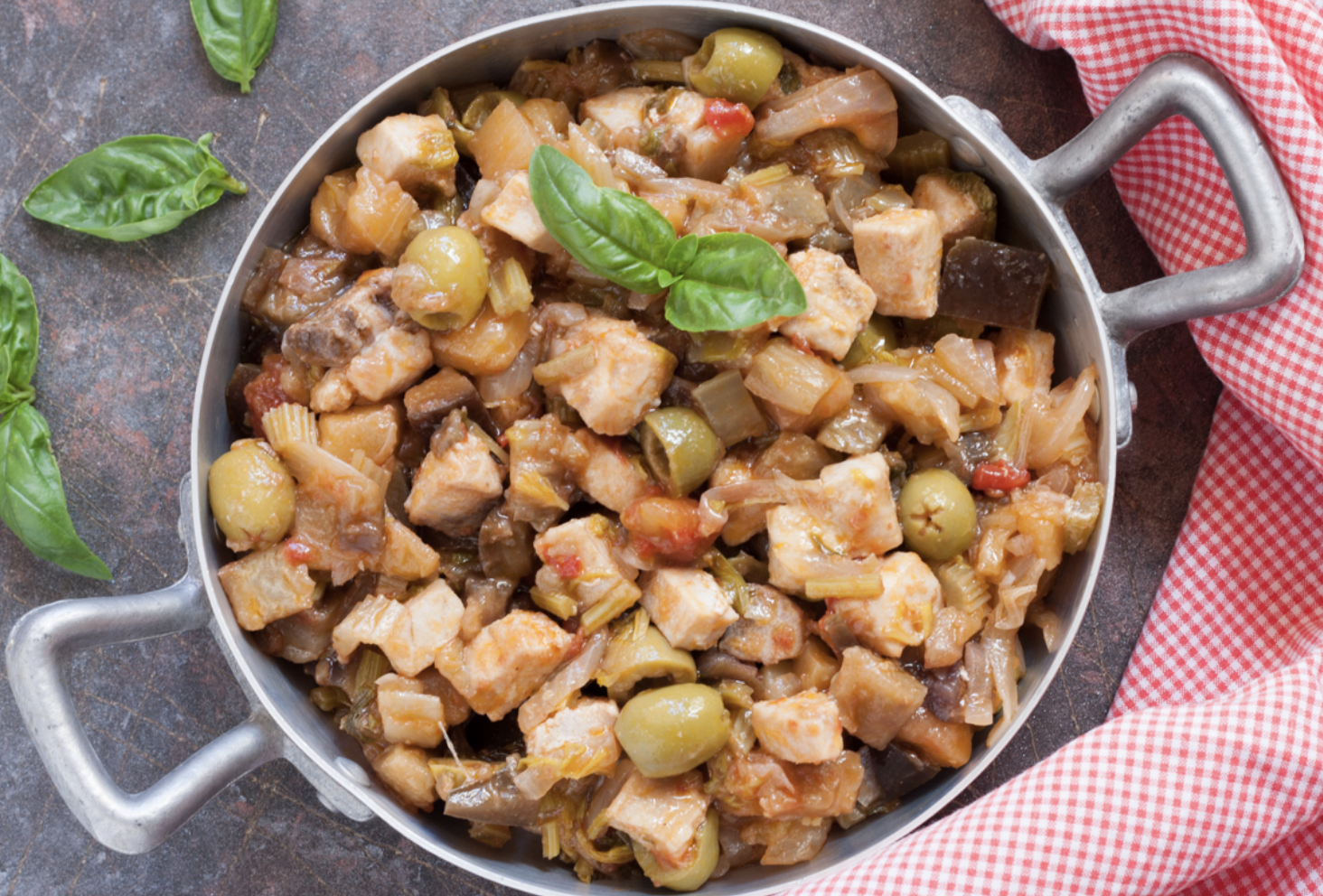
Caponata Cefalù style
Caponata Cefalù style is similar to the Palermo version, but often enriched with crispy celery, swordfish, fresh tomatoes, and toasted almonds. A perfect summer side dish.
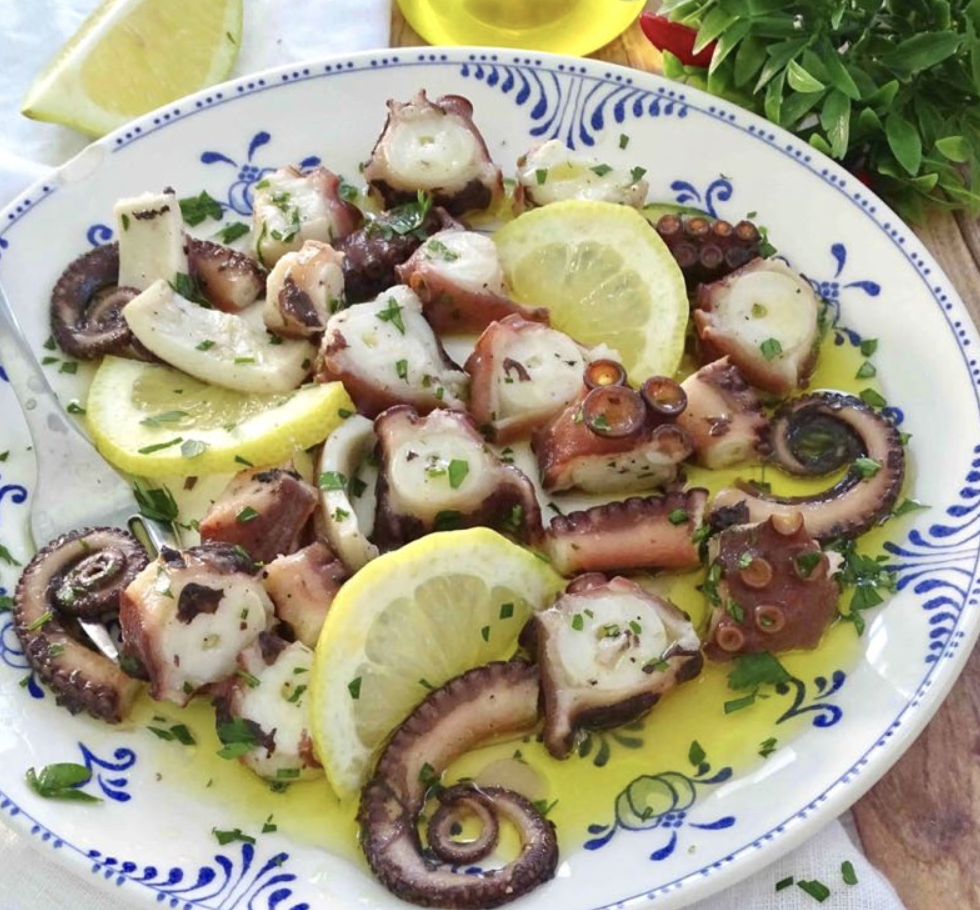
Octopus salad
Tender octopus seasoned with lemon, local olive oil, parsley, and often black olives.
Simple, fresh, irresistible.
Check-in: a partire dalle ore 16:00
Check-out: entro le ore 10:00
ll check-in anticipato e il check-out posticipato sono gratuiti presso questa villa, in base alla disponibilità.
Vietato fumare
Animali non ammessi
Ospiti extra non ammessi
Non è permesso organizzare feste o eventi
I costi di eventuali danni verranno dedotti dal deposito cauzionale